
Keywords
Categories
How to Cite
Abstract
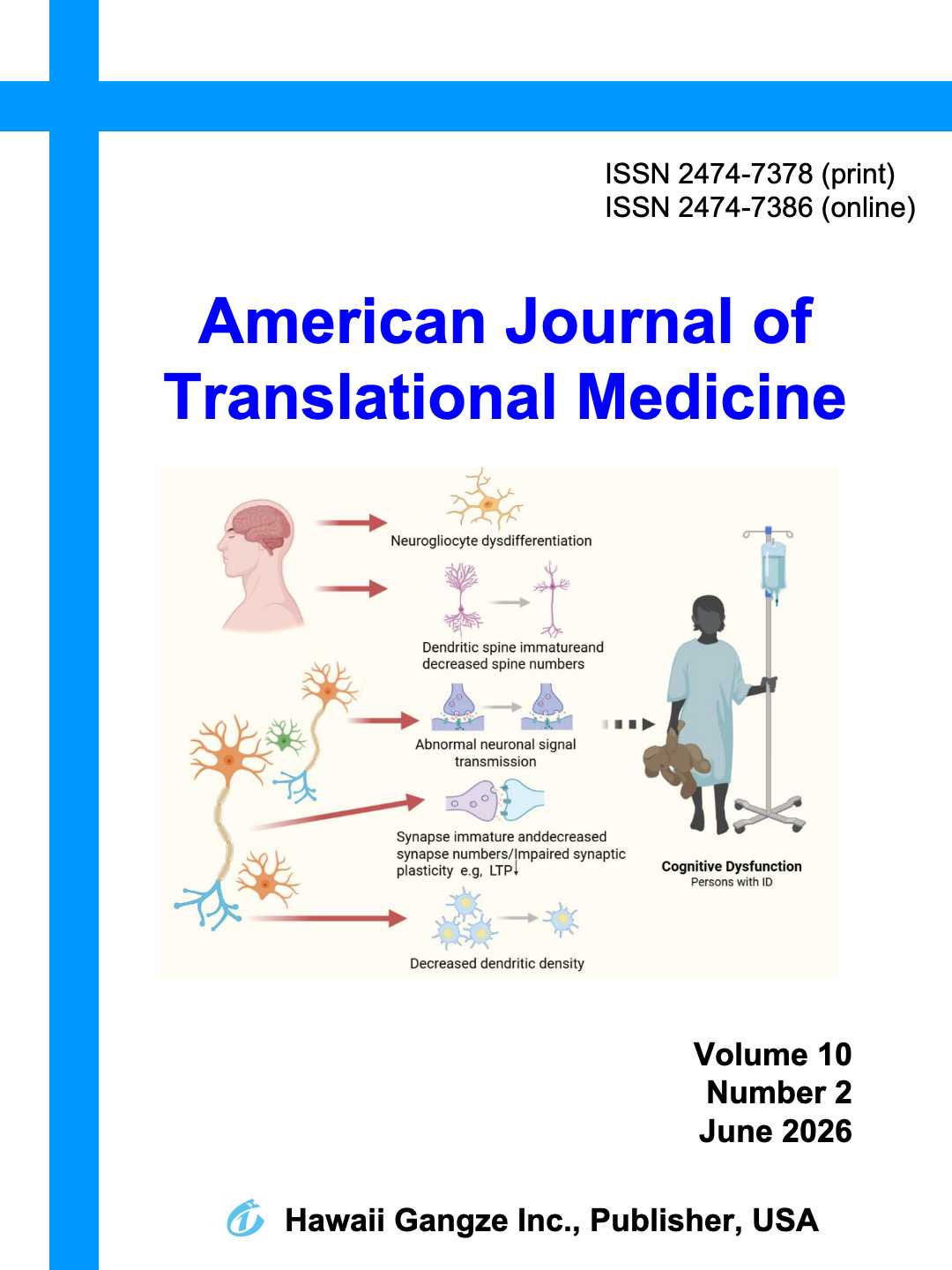
Intellectual disability (ID) is a complex neurodevelopmental condition typically manifesting before 18 years of age characterized by significant limitations in intellectual functioning and adaptive behavior. This condition significantly impacts thinking, social interactions, and daily living. With advances in genetic research and epigenetics, a growing body of evidence indicates that gene mutations, environmental factors, and epigenetic mechanisms play crucial roles in the development of ID. Epigenetic mechanisms, such as DNA methylation, histone modification, and chromatin remodeling, are pivotal to neural development; dysregulation of any of these processes may lead to ID. Environmental risk factors include prenatal alcohol exposure, infections, and malnutrition. Recent studies have suggested that interventions targeting epigenetic mechanisms and synaptic function may offer new insights into ID management. Furthermore, precision medicine and gene therapy provide potential therapeutic approaches for improving cognitive and behavioral outcomes. Future research should further explore gene–environment interactions in ID to develop more effective treatment strategies.